Guilford
Guilford is a residential neighborhood in North Baltimore developed by the Roland Park Company in the early 1900's. The area features large, single-family, detached homes that range from cottages to stately mansions, all set among streets lined with mature trees and period streetlights. Residents enjoy the stunning architecture, a suburban feel and a location minutes from the Johns Hopkins Homewood campus, Loyola College, the College of Notre Dame, restaurants, cultural centers and private schools. Make sure to check out the tulips at Sherwood Gardens in the springtime. About 80,000 tulip bulbs are planted in the gardens each year! This leads to six acres of beautiful flowers in bloom each spring.

Getting Around
Nearby Public Transit
- BWI Airport....35 minutes
- Charles Center….15 minutes
- Penn Station….10 minutes
- Bike and Scooter Share
- Rideshare
Meet Your Neighbors
Would you ask a New Yorker about living in L.A? (We didn’t think so.) When it comes to Baltimore, Baltimoreans know best. Community organization members and Live Baltimore’s Neighborhood Ambassadors are involved in their communities and love to talk about neighborhood happenings. Connect with a community organization or one of our ambassadors for an insider’s view of this city neighborhood.
Interested in becoming a Neighborhood Ambassador? Visit our Volunteer Page and submit the form in the “Neighborhood Ambassador” section.
Community Organizations

Explore the Neighborhood
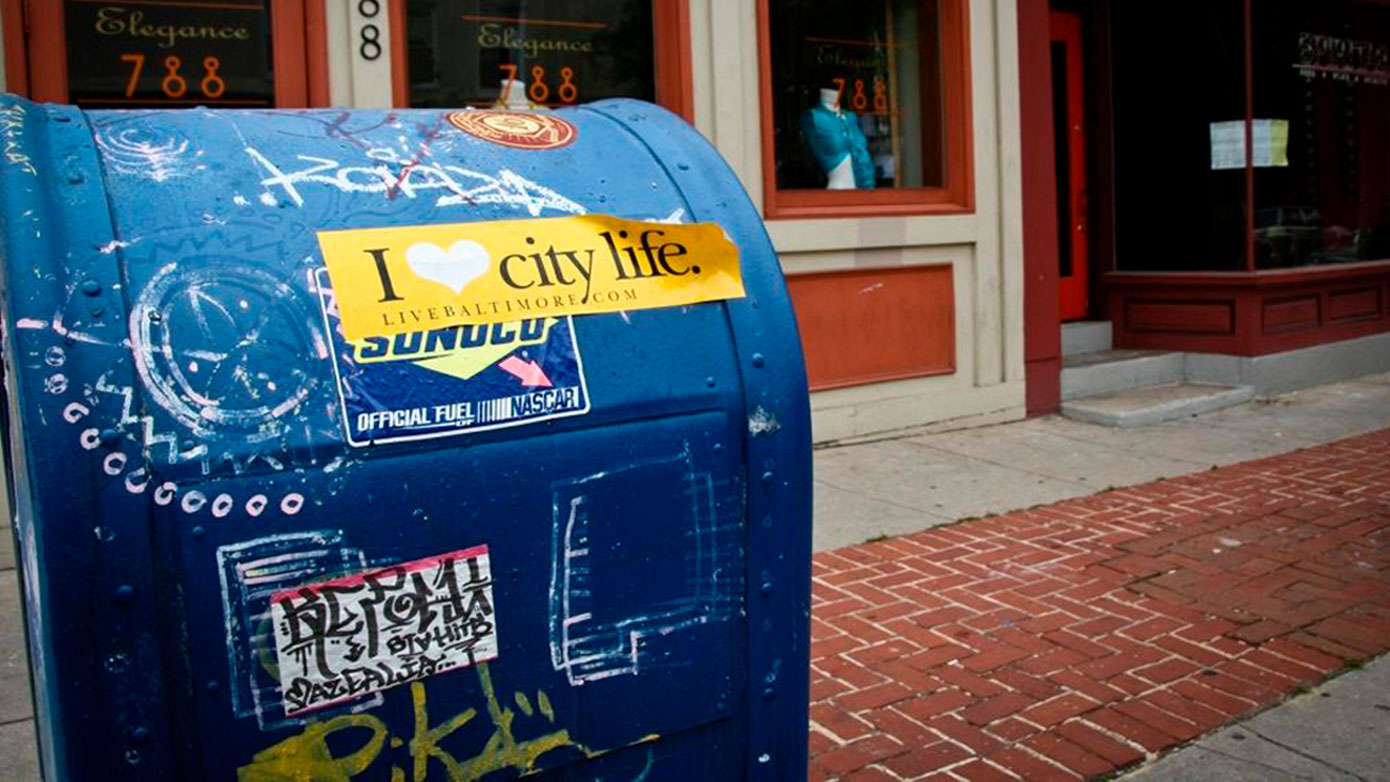
Explore more of this Baltimore City neighborhood. Want to see your images added? Share your photos on social media with us by using #iheartcitylife!
Real Estate Agents in Guilford
Is this page missing some information? Help us make it better

- Save your recommendations for later.
- Get access to our Financial Incentives Tool.
- Connect with a Live Baltimore staff member for a one-on-one consultation.
- Get a free I ♥ City Life bumper sticker.
- Save your recommendations for later.
- Get access to our Financial Incentives Tool.
- Connect with a Live Baltimore staff member for a one-on-one consultation.
- Get a free I ♥ City Life bumper sticker.